
"China coffee growth"
3000 article(s) found

The 26th World Coffee Science Congress of Yunnan Coffee is the first time held in China.
The theme of this conference is to share the progress of coffee science. It is reported that this is the first time that China has held the World Coffee Science Congress. According to the organizing committee, the main venue of the conference is located at Continental Hotel in Kunming, with two branches in Dehong City and Chongqing.

Foreign coffee brand China Enclosure Silicon Valley newcomer Wheelys wants to challenge Starbucks
Compared with the global average growth rate of 2%, China's coffee consumption is growing in double digits, and the huge market prospect has attracted the covet of many foreign brands. According to local media in Shanghai, Wheelys, a coffee brand from Sweden with the Silicon Valley incubation label, has announced plans to expand in the domestic market and intends to set up an industrial fund to promote the development of city operators.

Foreign coffee brand China "enclosed land" Silicon Valley newcomers want to challenge Starbucks?
Compared with the global average growth rate of 2%, China's coffee consumption is growing in double digits, and the huge market prospect has attracted the covet of many foreign brands. According to local media in Shanghai, Wheelys, a coffee brand from Sweden with the Silicon Valley incubation label, has announced plans to expand in the domestic market and intends to set up an industrial fund to promote the development of city operators.

The number of cafes in China has exceeded 100,000
By the end of 2020, the number of cafes in China has exceeded 100,000, according to a report entitled "White Paper on China's Freshly Ground Coffee Industry"(referred to as "White Paper") released by Deloitte China and Mu Mian Capital. The report shows that there are currently 108,000 cafes in China, mainly distributed in second-tier cities and above, accounting for 75% of the total. According to relevant data,

Chinese Coffee Market Coffee consumption in China increases by 20% a year
New Express News reporter Xu Liyun intern Qiu Xiaomin reported that on December 11, 2014 Guangzhou Coffee Expo opened. At the opening ceremony, a reporter from the New Express learned that China's coffee consumption is growing at an annual rate of 20%, while the total world coffee consumption is only about 2%, which has also boomed the coffee market in Guangzhou.

Investment in coffee industry brand domestic and international market analysis development space to see the potential
With the rise of the middle class, drinking coffee has become a fashion. In China, the magnificent rise of the middle class is a fact that can not be ignored. He has a strong spending power, the pursuit of quality of life and fashion, unprecedented; the definition and pursuit of life is no longer the traditional concept, the pursuit of personal health has become the main pursuit. In terms of leisure drinks, drinking tea, he
The "Korean Wave" of coffee consumption market is surging.
With the growth of young and fashionable people and the substantial growth of returnees and overseas travelers, coffee culture has developed rapidly in China, and cafes have become a popular place for modern urbanites to gather and relax. Statistics show that coffee consumption in China is growing at an annual rate of 10% to 15%, and the number of cafes has doubled in the past five years. Annual per capita consumption of coffee in Japan and South Korea

Starbucks has expanded its stores by 70% in five years; does rapid expansion affect brand image?
Recently, COSTA, another coffee chain active in the Chinese market, also announced its expansion plans. It is reported that COSTA has 1106 stores in 29 countries around the world. Among them, on the basis of 344 stores in China, it is planned to reach 900 stores by 2020, with an average of one store every three days. Compared with the layout of COSTA in China, Starbucks in the next five years

Local brands challenge Starbucks in the world's fastest growing coffee market
The rapid development of Delphi Coffee benefits from the rapid growth of Chinese coffee market. And the taste of the Chinese middle class is affecting the most nervous nerves of global coffee brands and producing countries. At the closing ceremony of the Qingdao International Coffee Exhibition on September 26, the latest research report released by the Colombian Coffee working Association shows that China has become the fastest growing market in the global coffee market for several years in a row.

International coffee brands continue to "add ingredients" to small cafes in the Chinese market.
Professional baristas Please follow the Coffee Workshop (official account cafe_style of Wechat) following COSTA's acquisition of all its stores in mainland China, Starbucks is also seeking wholly-owned development in southern China recently. International coffee brands continue to add ingredients to the Chinese market, which has an impact on local coffee brands, and private small cafes are even more desperate for survival. However, coffee consumption in China every year

Coca-Cola enters the mainland coffee market again and takes the lead in Hangzhou.
Unexpectedly, Coca-Cola also has coffee. Is this to compete with Nestle and Starbucks for business? Yesterday, Xiao Qin, who was shopping in a supermarket in the west of the city, accidentally found a new face on the coffee and beverage shelf. After the beverage industry has said goodbye to the golden era of high growth, instant coffee, a niche beverage market with a high compound growth rate of 34.2%, is making it a new favorite in the industry. In contact with Nestle
Coffee consumption market "Korean Wave" surging market space is huge
With the growth of young and fashionable people and the substantial growth of returnees and overseas travelers, coffee culture has developed rapidly in China, and cafes have become a popular place for modern urbanites to gather and relax. Statistics show that coffee consumption in China is growing at an annual rate of 10% to 15%, and the number of cafes has doubled in the past five years. The annual per capita consumption of coffee in Japan and South Korea has reached 3.
The share price has risen sevenfold in three years. Starbucks cooks Golden Coffee.
Despite a two-week correction in US stocks, the share price of Starbucks, the world's largest coffee and beverage retailer, bucked the trend, reaching an intraday high of $61.98 on Friday and closing at $61.67. once again set an all-time high for intraday and closing prices. Starbucks shares have risen 27.5% year-to-date, compared with the company in 2008.
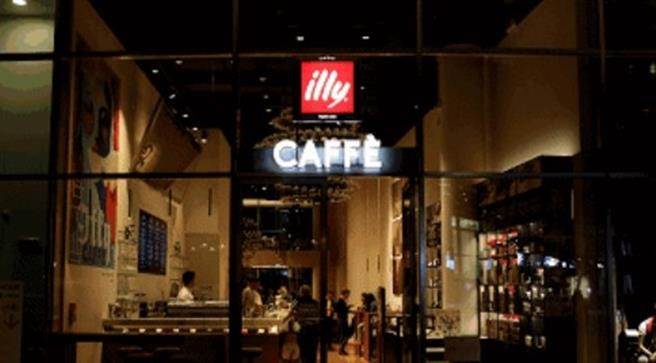
Illy joins Starbucks with a new competitor
For professional baristas, please pay attention to the current Chinese market for coffee workshops (Wechat official account cafe_style). Although coffee consumption is still not popular enough, it has created the fastest growth in the world. So the market wind also changes, although it is not easy to make a profit, the shop closure rate is not low and other practical problems, but still can not stop the enthusiasm of the players. The hot and dry market is closer to consumers.

Starbucks 'future depends on China to keep opening a store every 15 hours?
In the second quarter of fiscal year 2017, the Chinese market became the main driver of Starbucks 'growth. For the first time, the Seattle-based coffee chain invited Starbucks China CEO to make an independent report in the middle of the night on a conference call after the earnings release. Starbucks recently announced its second quarter financial report for fiscal year 2017

China's coffee market as a whole is developing rapidly.-Why is China's coffee industry developing so fast?
The prospect analysis of domestic coffee joining industry: 1. With the rapid development of China's economy, coffee consumption in Chinese cities is gradually associated with modern life, which leads to the rapid increase of coffee consumption. Coffee joining industry forms a huge consumption potential market.

Maxwell insists that it is difficult for a single product to turn around and the countdown to factory closure in China has entered.
Shutting down to reduce fixed costs No. 3 Jiaoyuan Road, Guangzhou is Maxwell's only production plant in China. Now there is no longer the original hustle and bustle, and it is difficult to find the original international coffee giant. In July 2015, the owner of the factory just changed from Mondelez International to Guangzhou Zhenyin Coffee Co., Ltd. Although Maxwell used to be one of the four largest coffee manufacturers in the world, it was last year

Nestl é won the golden prize in China's food industry in 2018 to build capsule coffee production in Switzerland.
Professional coffee knowledge exchange more coffee bean information please follow the coffee workshop (Wechat official account cafe_style) November 20, 2018, sponsored by Xinhuanet Food Industry 2018 China Food Development Conference was held in Beijing. The theme of this conference is brand leading change and creating reshaping value, which was officially announced at the 2018 China Food Industry Golden Award. Because Nestle is in China

Differences between Yunnan coffee beans in China and high-quality coffee in the world; differences in flavor and planting environment
Yunnan coffee is good, but all the country grows high-quality Arabica coffee instead of Robsta coffee, which is very rare and is one of the few countries that grow 100% Arabica coffee. Thus it can be seen that Yunnan coffee is not just about weight but not quality. Yunnan coffee is planted at high altitude, slow growth and high maturity, so it is suitable for Italian coffee.

Drink doves to quench thirst! Yunnan's "high-end" instant coffee drinks attempt to seize the domestic coffee market
Professional baristas Please follow the Coffee Workshop (official Wechat account cafe_style). Not long ago, the local coffee brand Xinruike in Yunnan Province, a new instant coffee Mata Star, was listed in Guangzhou. It is reported that at present, Xinruike Mata Star series of new products have been put on sale in many first-tier retail supermarkets. According to statistics, the annual growth rate of coffee consumption in China is about 25%, which is much higher than the global growth rate of 2%.